Learn about specific cancer types, including signs and symptoms, diagnostic testing, treatment approaches, and supportive care options to help you make informed decisions about your care.
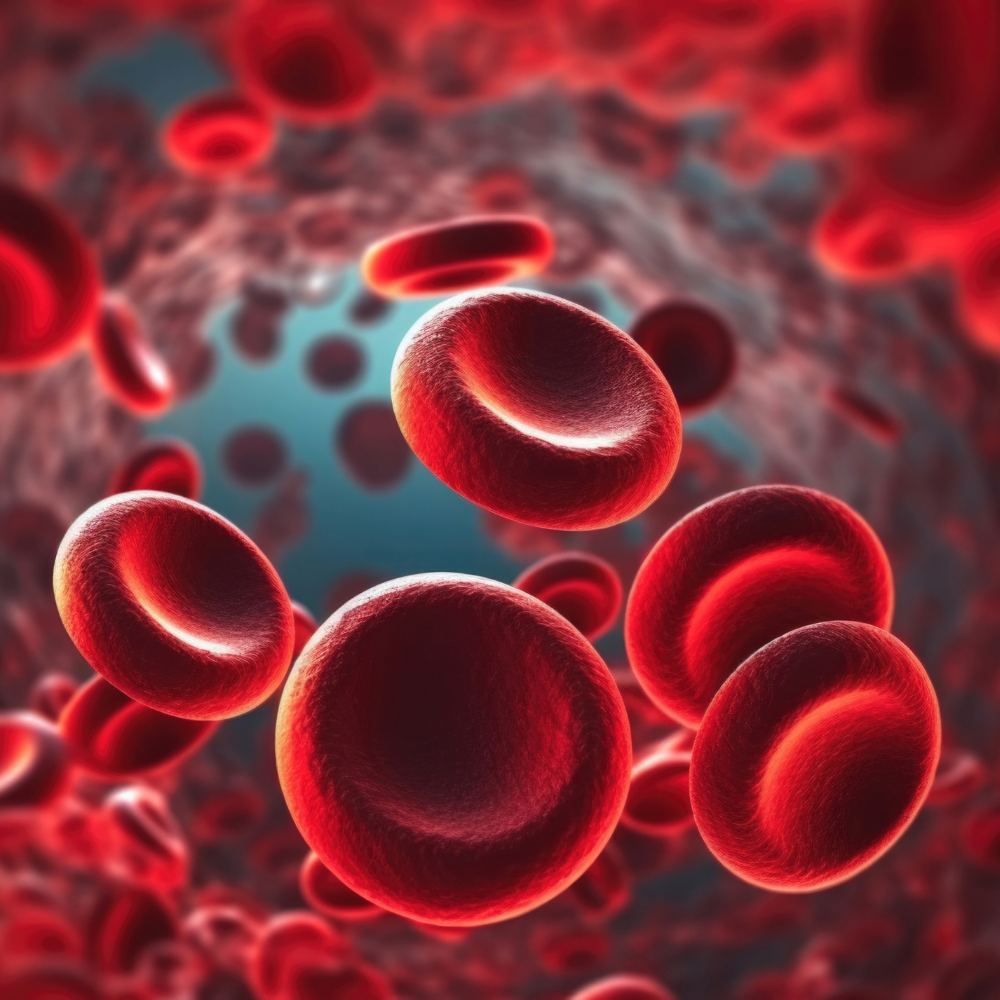
What is Blood Cancer?
Blood cancers are cancers in which different types of blood cells start to grow out of control. They can start in the bone marrow, where new blood cells are made, or in the lymphatic system, which helps the body fight infections. There are many kinds of blood cancer, including different types of leukemia and lymphoma, as well as multiple myeloma. Some grow quickly, while others develop more slowly. Some types of blood cancer affect both children and adults, especially certain types of leukemia and lymphoma.
Learn more about our blood cancer specialists here.
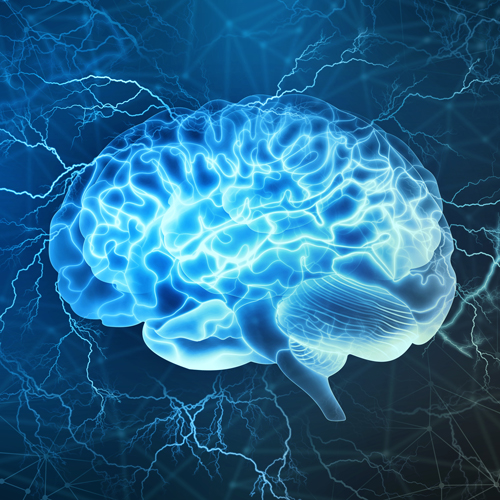
What is Brain Cancer?
Brain cancer occurs when abnormal cells multiply uncontrollably in the brain, forming a tumor. It may be primary, developing in the brain itself, or secondary, resulting from cancer that has spread from another part of the body. Common symptoms include headaches, seizures, vision changes, and difficulties with speech or movement. Diagnosis often relies on imaging studies such as MRI or CT scans, and treatment may involve surgery, radiation therapy, chemotherapy, or targeted treatments.
Learn more about our brain cancer specialists here.
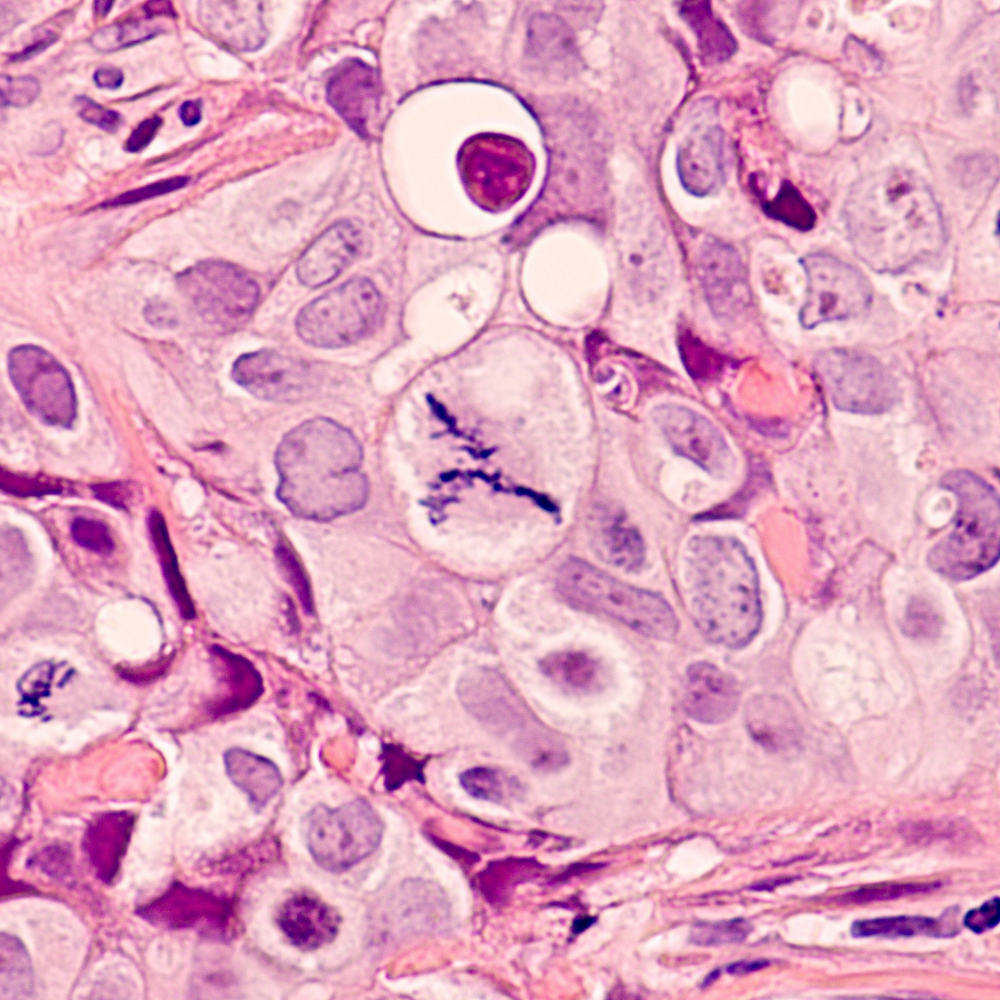
What is Breast Cancer?
Breast cancer happens when cells in the breast grow without control, creating a mass called a tumor that may spread elsewhere in the body. It can start in one or both breasts. Breast cancer mostly affects females aged 45 and older, but anyone with breasts can get breast cancer. It is rare in children and males.
Learn more about our breast cancer specialists here.
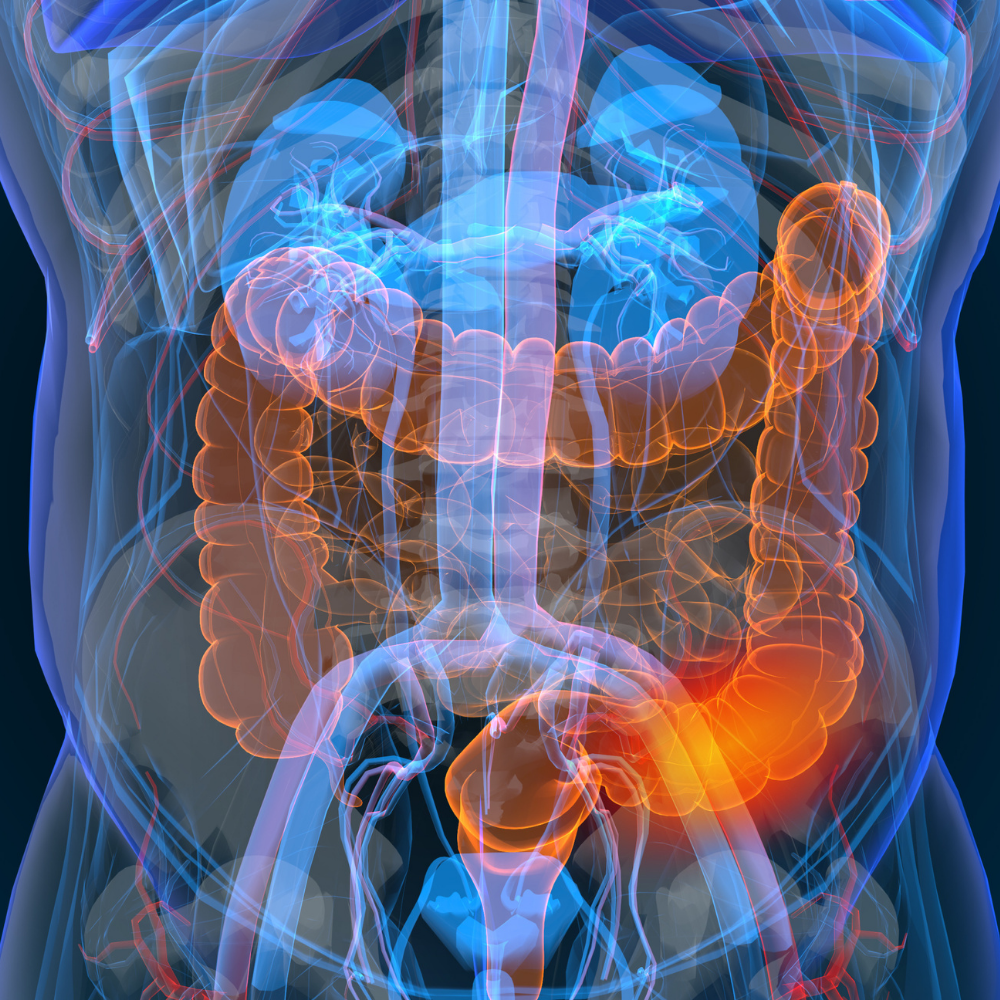
What are Gastrointestinal Cancers?
Gastrointestinal cancers affect various areas of the digestive tract, including the colon, rectum, stomach, liver, esophagus and pancreas. These cancers can be caused by genetic mutations, lifestyle choices or underlying conditions. Early detection and treatment are crucial for improving outcomes.
Learn more about our colorectal and GI cancer specialists here.
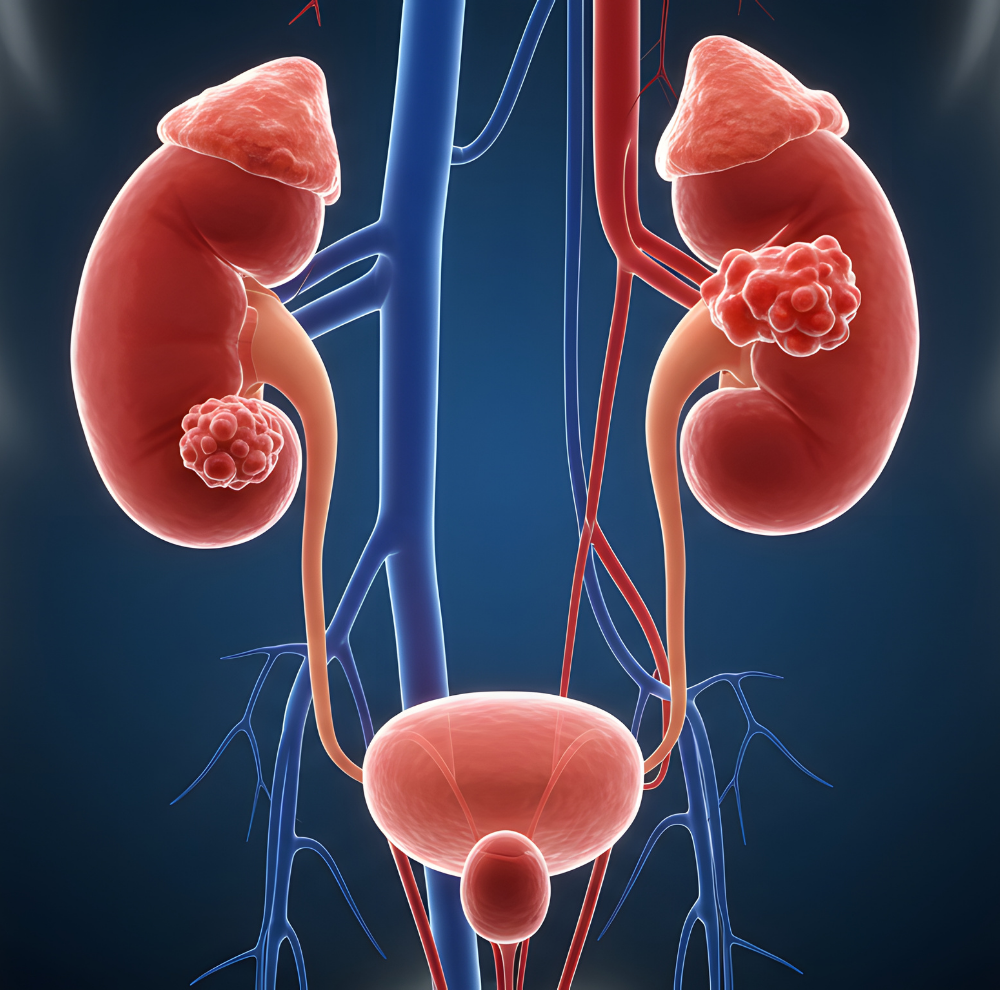
What are Genitourinary Cancers?
Genitourinary cancers are a group of cancers that affect the urinary system and reproductive organs. They include adrenal, bladder, kidney, prostate, and testicular cancers. These cancers can affect both men and women and are often diagnosed when they are still treatable in their early stages. Early detection through regular self-exams and screening is crucial for successful treatment.
Learn about our genitourinary cancer specialists here.
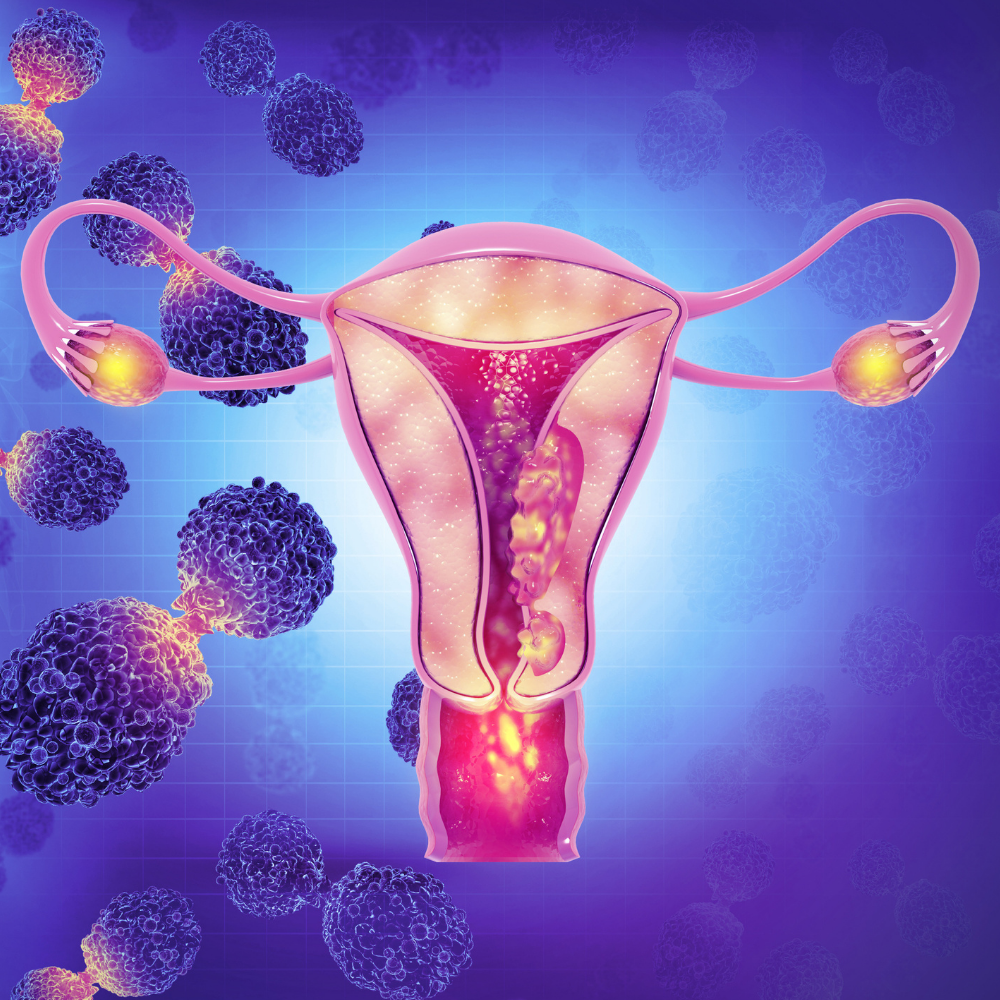
What are Gynecological Cancers?
Gynecological cancers are cancers that affect the female reproductive system, including the cervix, endometrium, fallopian tubes, ovaries, uterus and vagina. These cancers can have varying symptoms, risk factors and treatment options. Early detection and treatment are crucial for better outcomes.
Learn more about our gynecological cancer specialists here.
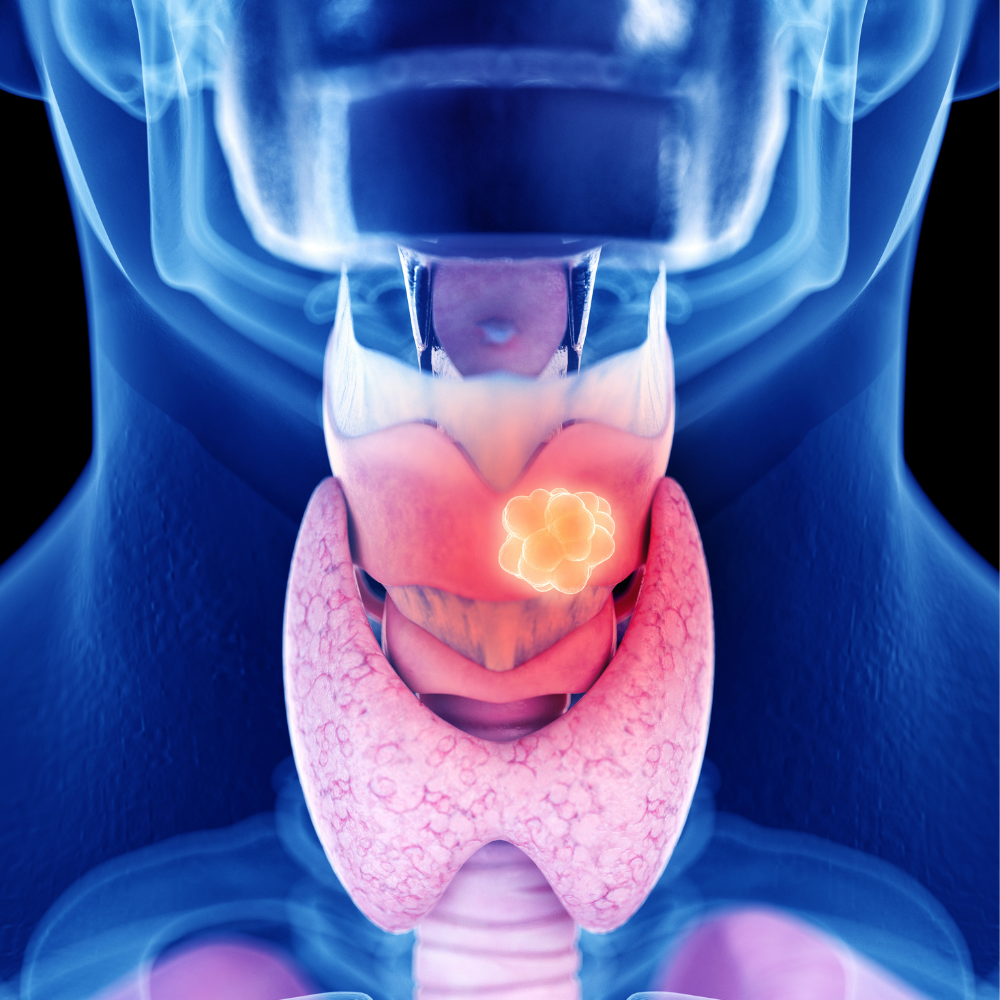
What are Head & Neck Cancers?
Head and neck cancers form in the nasal cavity (the hollow space inside the nose), sinuses, lips, mouth, salivary glands, throat, and larynx (voice box). Most head and neck cancers begin in squamous cells (thin, flat cells that line the moist surfaces of the head and neck). The most important factors that increase a person’s risk of developing head and neck cancers are tobacco use, heavy alcohol use, and infection with certain types of high-risk human papillomavirus (HPV).
Learn more about our head and neck cancer specialists here.
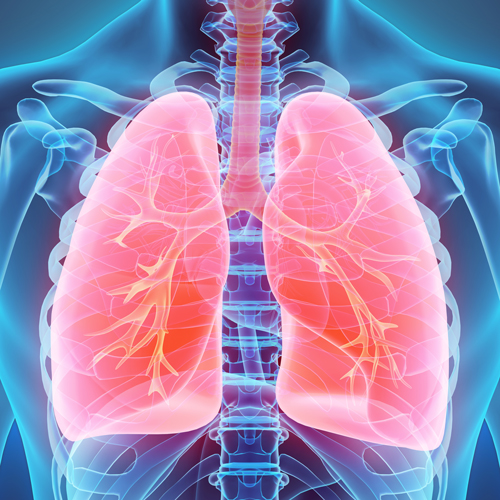
What are Lung Cancers?
Lung cancer forms in tissues of the lung, usually in the cells lining air passages. The two main types of lung cancer are small cell lung cancer (SCLC) and non-small cell lung cancer (NSCLC). SCLC is the more aggressive type, often found in small early-stage tumors and is harder to treat. NSCLC is more common and can be further divided into subtypes adenocarcinoma and squamous cell carcinoma. Risk factors include smoking, exposure to radon and other airborne carcinogens. Early detection and treatment are crucial for improving outcomes.
Learn more about our lung cancer specialists here.
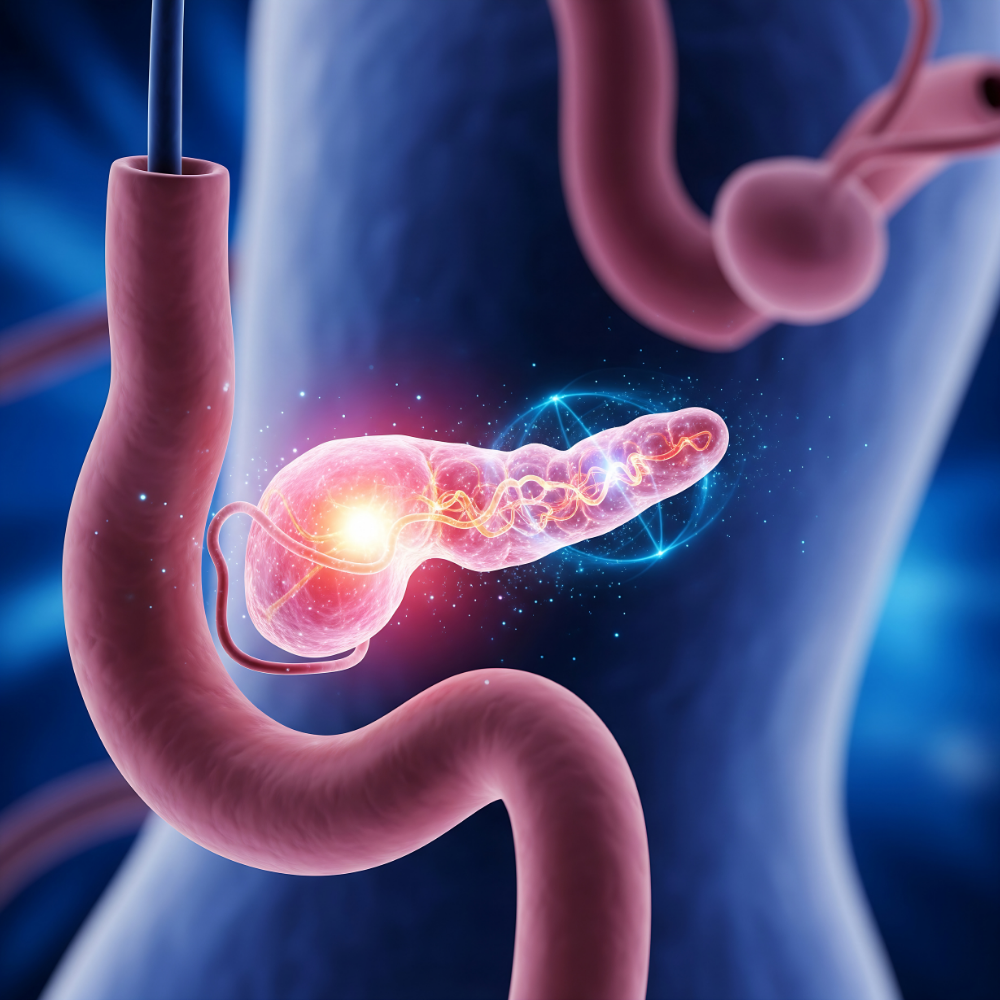
What are Neuroendocrine Cancers?
Neuroendocrine tumors form in cells that release hormones into the blood in response to a signal from the nervous system. Neuroendocrine tumors may make higher-than-normal amounts of hormones, which can cause many different symptoms. These tumors may be benign (not cancer) or malignant (cancer). Some examples of neuroendocrine tumors are carcinoid tumors, islet cell tumors, medullary thyroid cancer, pheochromocytomas, neuroendocrine carcinoma of the skin (Merkel cell cancer), small cell lung cancer, and large cell neuroendocrine carcinoma (a rare type of lung cancer). Diagnosis and treatment depend on the type of tumor, its location and whether it produces excess hormones.
Learn more about our neuroendocrine cancer specialists here.
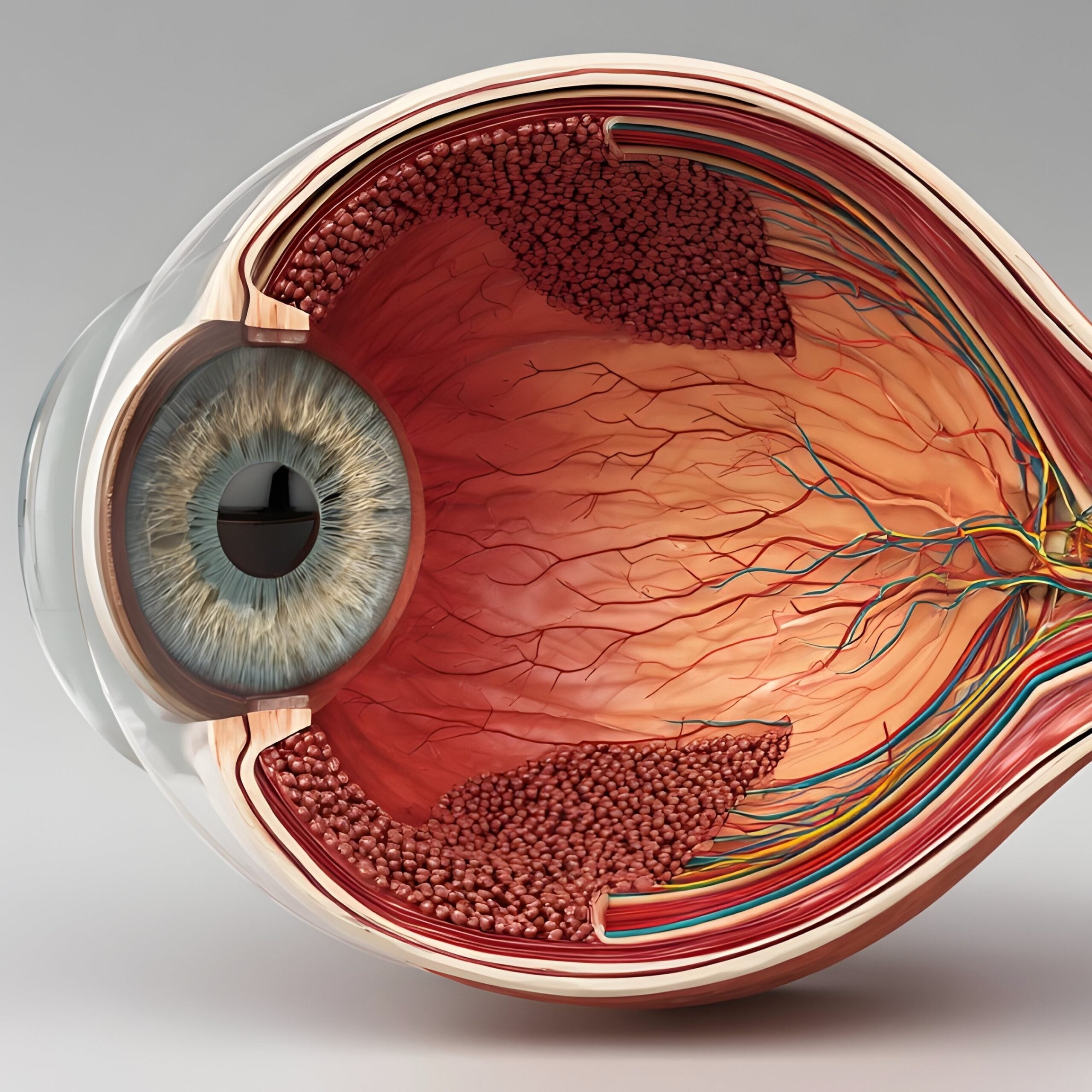
What are Ophthalmic Cancers?
Ophthalmic cancers start in the cells inside your eyeball and in nearby structures, like your eyelids and tear ducts. The most common types include uveal melanomas, which start in the middle of your eye (uvea); retinoblastoma, a rare childhood cancer that starts in the retina; intraocular lymphoma, a cancer that can develop in the retina or vitreous, and non-Hodgkin lymphoma, often affecting older adults. Ophthalmic cancers are rare and can lead to serious complications if not diagnosed and treated early. Symptoms may not always be apparent, so regular eye checkups are important for early detection.
Learn more about our ophthalmic cancer specialists here.
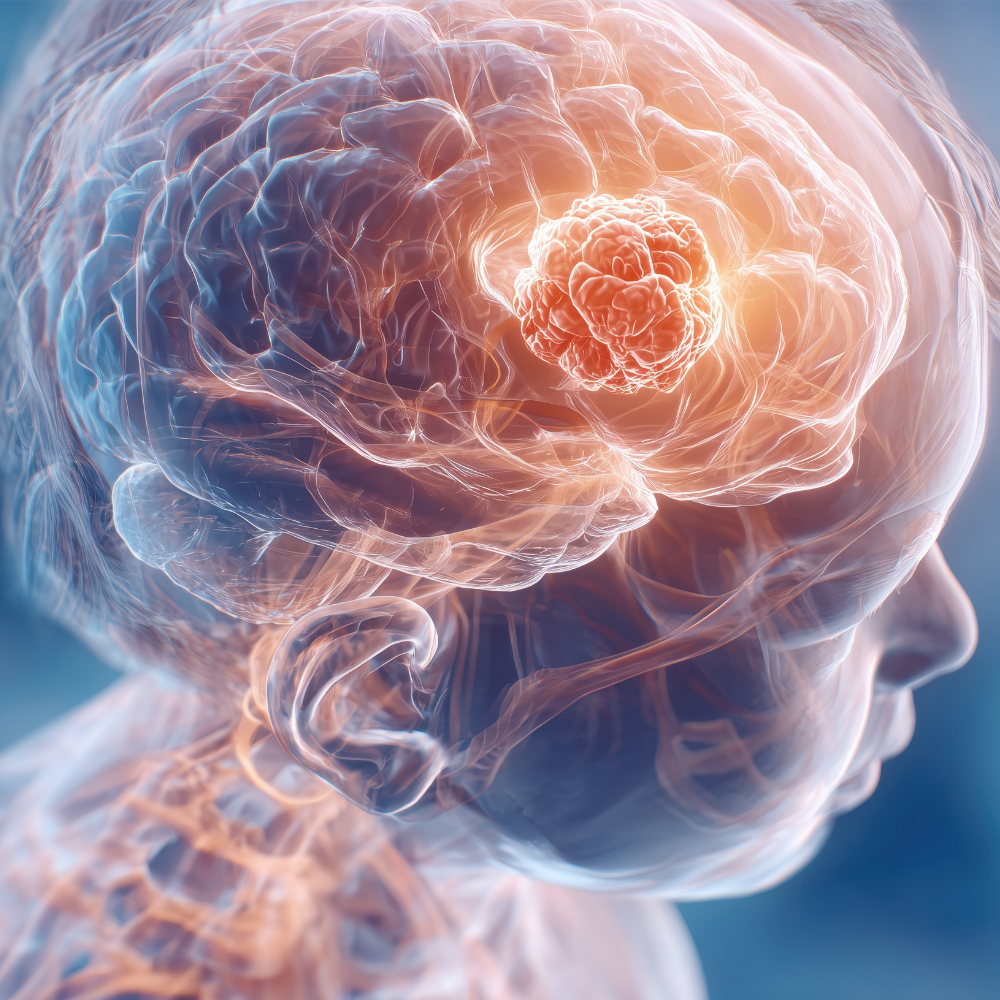
What are Pediatric Cancers?
Pediatric cancers occur between birth and 14 years of age. Cancers that affect children ages 15 to 19 are known as adolescent cancers. Pediatric cancers are very rare and may differ from adult cancers in the way they grow and spread, how they are treated, and how they respond to treatment. The most common types of childhood cancer are leukemia, brain and spinal cord tumors, lymphoma, neuroblastoma, Wilms tumor (a type of kidney cancer), retinoblastoma, and cancers of the bone and soft tissue.
Learn more about our pediatric cancer specialists here.
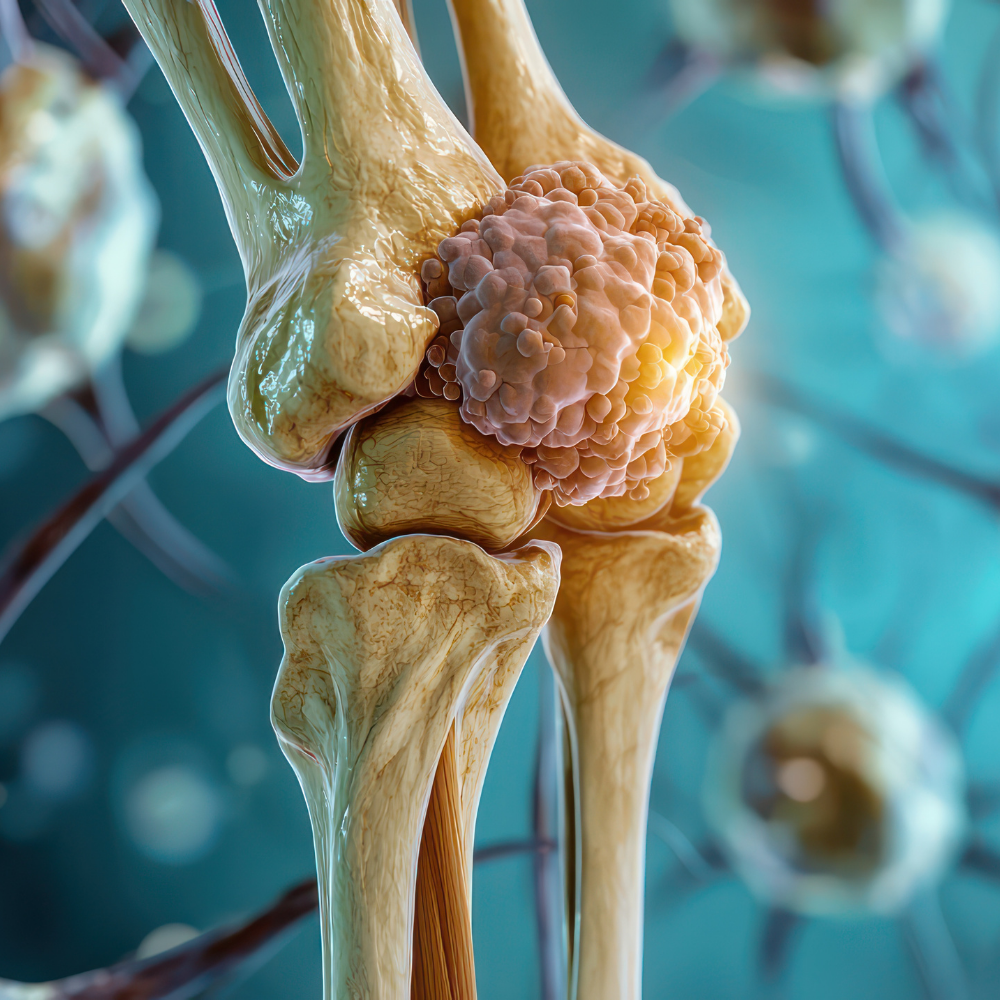
What is Sarcoma?
Sarcoma is a type of cancer that begins in bone or in the soft tissues of the body, including cartilage, fat, muscle, blood vessels, fibrous tissue, or other connective or supportive tissue. Different types of sarcoma are based on where the cancer forms. For example, osteosarcoma forms in bone, liposarcoma forms in fat, and rhabdomyosarcoma forms in muscle. Treatment and prognosis depend on the type and grade of the cancer. Sarcoma occurs in both adults and children.
Learn more about our sarcoma specialists here.
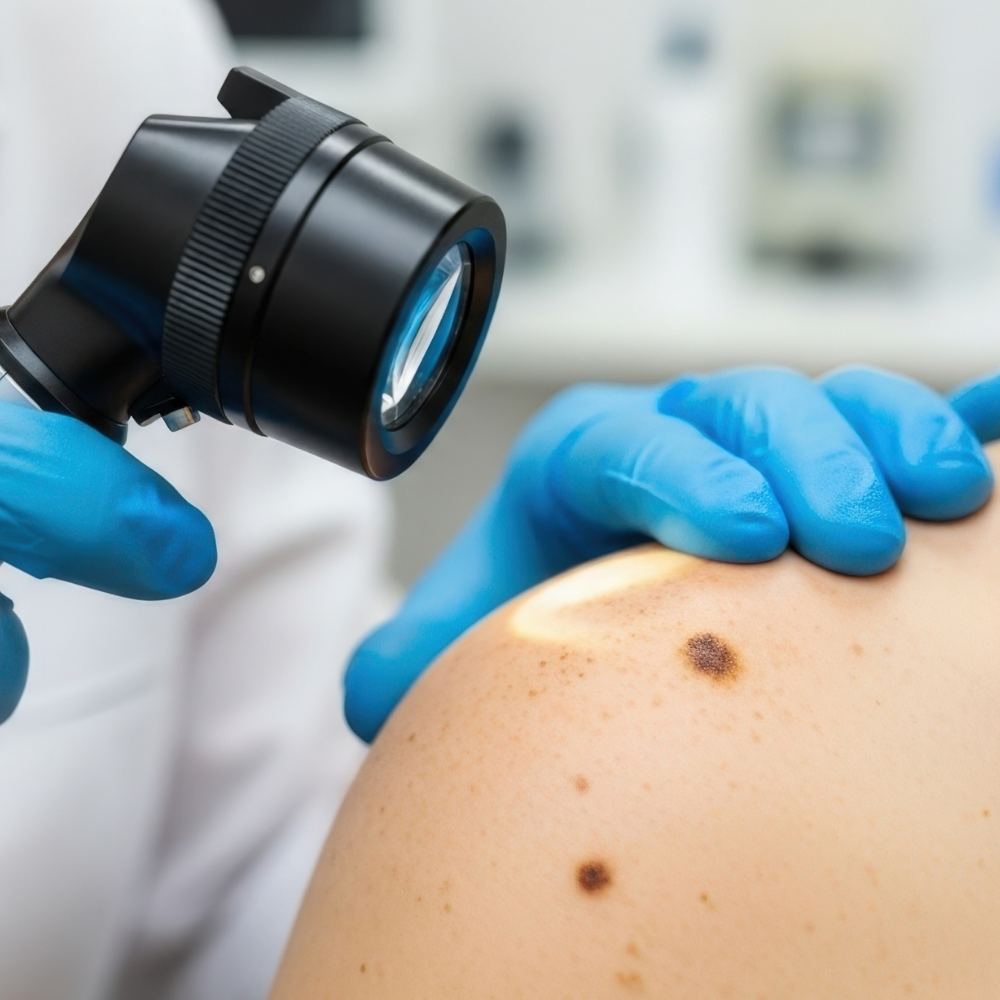
What is Skin Cancer?
Skin cancers form in the tissues of the skin. There are several types of skin cancer. Skin cancer that forms in melanocytes (skin cells that make pigment) is called melanoma. Skin cancer that forms in the lower part of the epidermis (the outer layer of the skin) is called basal cell carcinoma. Skin cancer that forms in squamous cells (flat cells that form the surface of the skin) is called squamous cell carcinoma. Skin cancer that forms in neuroendocrine cells (cells that release hormones in response to signals from the nervous system) is called neuroendocrine carcinoma of the skin. Most skin cancers form in older people on parts of the body exposed to the sun or in people who have weakened immune systems.
Learn more about our skin cancer specialists here.
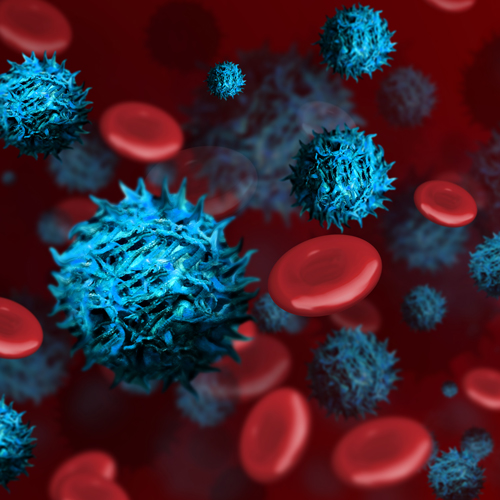
What is Cancer?
Cancer is a disease characterized by the uncontrolled growth of abnormal cells in the body. These cells can form tumors that can start anywhere in the human body and spread to other parts through a process called metastasis. Cancer cells differ from normal cells in many ways, including their ability to grow uncontrollably, ignore signals that normally tell cells to stop dividing or die, and invade nearby areas.
Learn more about our broad-based cancer specialists here.